
Meet Harriet Tubman: Nineteen Trips Back
She escaped slavery alone in 1849, and then went back — again and again — into the country that would have killed her for it.
Meet a Mentorchangemakers2 min

 MentorMinds
She escaped slavery alone in 1849, and then went back — again and again — into the country that would have killed her for it.

Initiated into Gerald Gardner’s coven in 1953, she noticed how much of its “ancient” liturgy was borrowed — and rewrote it into the words modern witchcraft still uses.

She was asked to translate an article about a machine that did not exist. Her footnotes were three times longer than the article, and one of them is the first computer program.

Before Scutari there were seventeen years of refusal, study and quiet preparation. Nightingale's life is a lesson in earning the right to act, and then acting on the evidence.
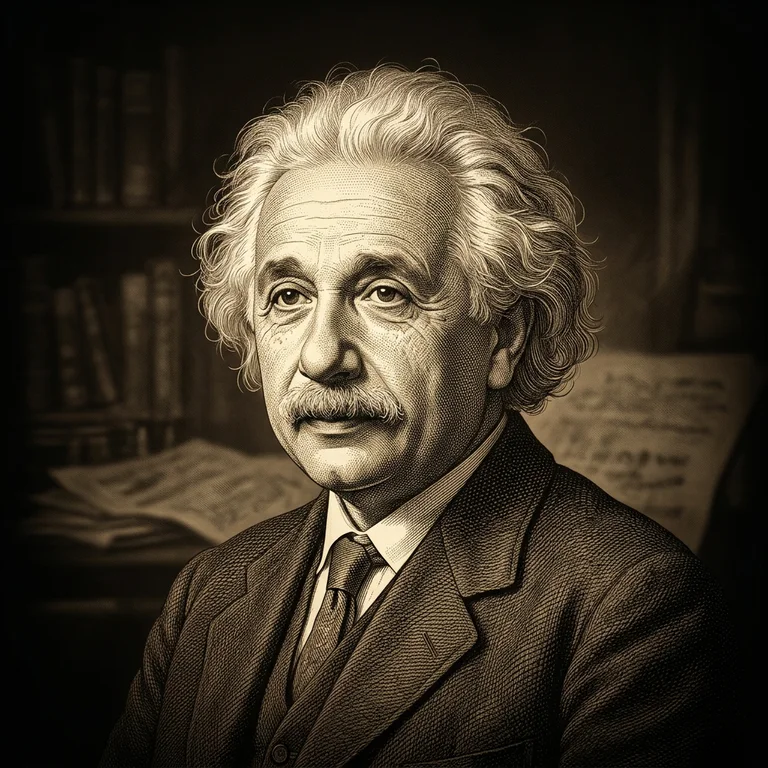
In one year, from a desk at the Swiss patent office, he published four papers that broke open space, time and matter — and the Nobel was not for the famous one.

He spent years travelling between states looking for a ruler who would let him try his ideas, largely failed, and taught the students who reshaped Chinese civilisation.

He argued that nothing whatever exists on its own — and that this is the most hopeful thing anyone has ever said. Eighteen centuries later, nobody has landed a clean hit on the argument.

He was taught the alphabet until it was forbidden as dangerous — and then spent his life proving that the man who forbade it was right.

He finished remarkably little and left about seven thousand pages of notes — written backwards — on everything from bird flight to the muscles of the human face.

He left no books, founded no school, and charged no fees — then changed philosophy permanently by asking people what they meant.