


1918–2013 · South Africa
Nelson Mandela
“It always seems impossible until it is done.”
— most often attributedTheir life
Twenty-seven years in prison, and he emerged not to settle scores but to build a nation — negotiating with his jailers, donning the Springbok jersey, and proving reconciliation can be a strategy, not a surrender.
Known for
- Leading the anti-apartheid struggle
- 27 years imprisoned, largely on Robben Island
- Rivonia Trial defendant
- First democratic president of South Africa
- Truth and Reconciliation Commission
- 1995 Rugby World Cup reconciliation gesture
The road they walked
Rolihlahla Mandela was born in 1918 in Mvezo, in the Eastern Cape, into the royal house of the Thembu people. Groomed early for a role as counselor to Thembu kings, he instead left for Johannesburg as a young man, drawn into the ferment of a country hardening its racial laws. He trained as a lawyer, one of the first Black South Africans to do so, and in 1944 joined the African National Congress, helping found its Youth League to push the older generation toward more confrontational tactics against white minority rule.
The world he came from was the one apartheid built after 1948: a legal architecture of pass laws, forced removals, and segregated everything, enforced by a state willing to use lethal force against dissent. Mandela's activism moved from organizing peaceful defiance campaigns to, after the 1960 Sharpeville massacre and the banning of the ANC, co-founding its armed wing, Umkhonto we Sizwe. Arrested in 1962 and later tried alongside other leaders in the Rivonia Trial, he used the dock not to plead for mercy but to explain himself, declaring he had cherished the ideal of a democratic society and was prepared to die for it. He was sentenced to life imprisonment in 1964.
Twenty-seven years followed, most of them on Robben Island, where he labored in a lime quarry and became, even in captivity, the movement's unbreakable symbol — his image banned from publication, his name still whispered as the promise of a different country. International pressure, sanctions, and the erosion of apartheid's economic logic eventually forced the government to negotiate. Released in 1990, Mandela spent the next four years in tense, often violent talks with F.W. de Klerk's government, steering the country from the edge of civil war toward its first democratic election. In 1994 he became South Africa's first Black president, at 75, having turned a life sentence into the founding chapter of a new republic.
How their story ended
Mandela died in 2013 at his home in Johannesburg, at age 95, after years of declining health tied to a recurring lung infection dating back to his imprisonment. His death prompted ten days of national mourning in South Africa and a state funeral attended by dozens of world leaders, closing a final chapter in which he had already largely stepped back from public life, having retired from the presidency in 1999 and from active politics in 2004.
In their words
“I learned that courage was not the absence of fear, but the triumph over it. The brave man is not he who does not feel afraid, but he who conquers that fear.”
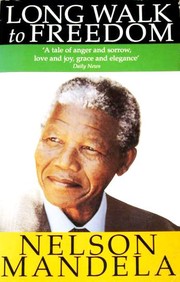
— Long Walk to Freedom, 1994
“Difficulties break some men but make others.”
— Long Walk to Freedom
“I dare not linger, for my long walk is not yet ended.”
— Long Walk to Freedom, 1994
We attribute every quotation to the person we believe said it, and cite the source where we can place it. If you spot a misattribution or a factual error, please tell us — we will check it and correct the record.
Tables where Nelson sits


From the Journal
Books by Nelson
Books about Nelson
Nelson Mandela at MentorMinds is an original AI simulation based on the public record — their writings, speeches, and documented life. It is not the real person and is not affiliated with or endorsed by them or their estate. Counsel is for learning and reflection.