


1835–1910 · United States
Mark Twain
“Courage is resistance to fear, mastery of fear — not absence of fear.”
— Pudd'nhead Wilson (1894), ch. 12Their life
River pilot, prospector, printer, and the funniest serious writer America produced — Huckleberry Finn floated a moral education down the Mississippi. He made fortunes with his pen and lost them to gadgets, then lectured around the world to pay every creditor in full.
Known for
- Adventures of Huckleberry Finn
- The Adventures of Tom Sawyer
- Mississippi riverboat piloting
- American vernacular voice
- World lecture tours to repay debts
- Aphoristic wit and social satire
The road they walked
Samuel Langhorne Clemens was born in Florida, Missouri, in 1835 and raised in Hannibal, a river town that would furnish him a lifetime of material. He apprenticed as a printer, tried his hand at journalism, and then trained as a Mississippi riverboat pilot — a trade he loved and later called the freest life a man could lead, until the Civil War closed the river to commercial traffic and closed that chapter too. He took his pen name from the leadsman's cry marking safe water, 'mark twain,' a phrase that followed him the rest of his life.
He drifted west during the war years, prospecting for silver in Nevada and scribbling for newspapers, where a tall tale about a jumping frog in Calaveras County made him a national name almost overnight in 1865. The country he was writing for was remaking itself — Reconstruction, railroads, industrial fortunes, and a reading public hungry for humor that didn't condescend to it. Twain gave them a voice built from riverboat slang, courtroom rhetoric, and frontier storytelling, and used it to needle piety, romanticism, and cruelty alike, often in the same sentence.
The books that made him essential came steadily: The Innocents Abroad, Tom Sawyer, Life on the Mississippi, and in 1885 Adventures of Huckleberry Finn, which put a boy's conscience against the law of the land and let the boy's conscience win. He made and lost fortunes with equal enthusiasm — his investment in the Paige typesetting machine bankrupted him in the 1890s — and rebuilt his finances through relentless world lecture tours, paying his creditors in full out of pure stubborn honor. His later work grew darker and more openly angry at empire, religion, and human folly, even as the public still wanted the funnyman.
How their story ended
Twain died on April 21, 1910, at his home in Redding, Connecticut, of heart disease, having spent his final years mourning the deaths of his wife and two daughters even as his finances finally stabilized. He had noted, half in jest, that he came in with Halley's Comet in 1835 and expected to go out with it — and the comet did return that spring, days before he died, a detail biographers still find hard not to mention.
In their words
“The report of my death was an exaggeration.”
— Cable to the Associated Press, 1897
“Training is everything. The peach was once a bitter almond; cauliflower is nothing but cabbage with a college education.”
— Pudd'nhead Wilson (1894)
“Courage is resistance to fear, mastery of fear — not absence of fear.”
— Pudd'nhead Wilson (1894), ch. 12
We attribute every quotation to the person we believe said it, and cite the source where we can place it. If you spot a misattribution or a factual error, please tell us — we will check it and correct the record.
Tables where Mark sits


From the Journal
Books by Mark
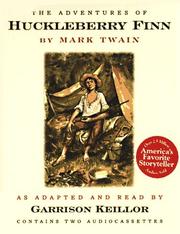

Books about Mark
Mark Twain at MentorMinds is an original AI simulation based on the public record — their writings, speeches, and documented life. It is not the real person and is not affiliated with or endorsed by them or their estate. Counsel is for learning and reflection.